WELCOME TO raen

Transforming Earth's 
most challenging landscapes

We unlock the regenerative potential of degraded semi-arid landscapes through advanced solutions across the semi-arid crop value chain – from genetics and propagation through to processing and end use. Catalyzing crops and biomaterials from the world’s most challenging landscapes
THE CHALLENGE
Traditional restoration methods consistently fail due to poor survival rates, making project economics unviable. Project developers need technology that works.

Our portfolio of value chain solutions for arid crops transforms restoration and sustainable cultivation from high risk to predictable, enabling success at unprecedented scale, across Biobased materials, cosmetics, food & nutrition, fuel, and fertilizer.

Satellite view of Earth showing Africa, the Middle East, and parts of Europe with visible deserts and seas.
Dry and semi-arid lands now cover 40% of the Earth’s land surface
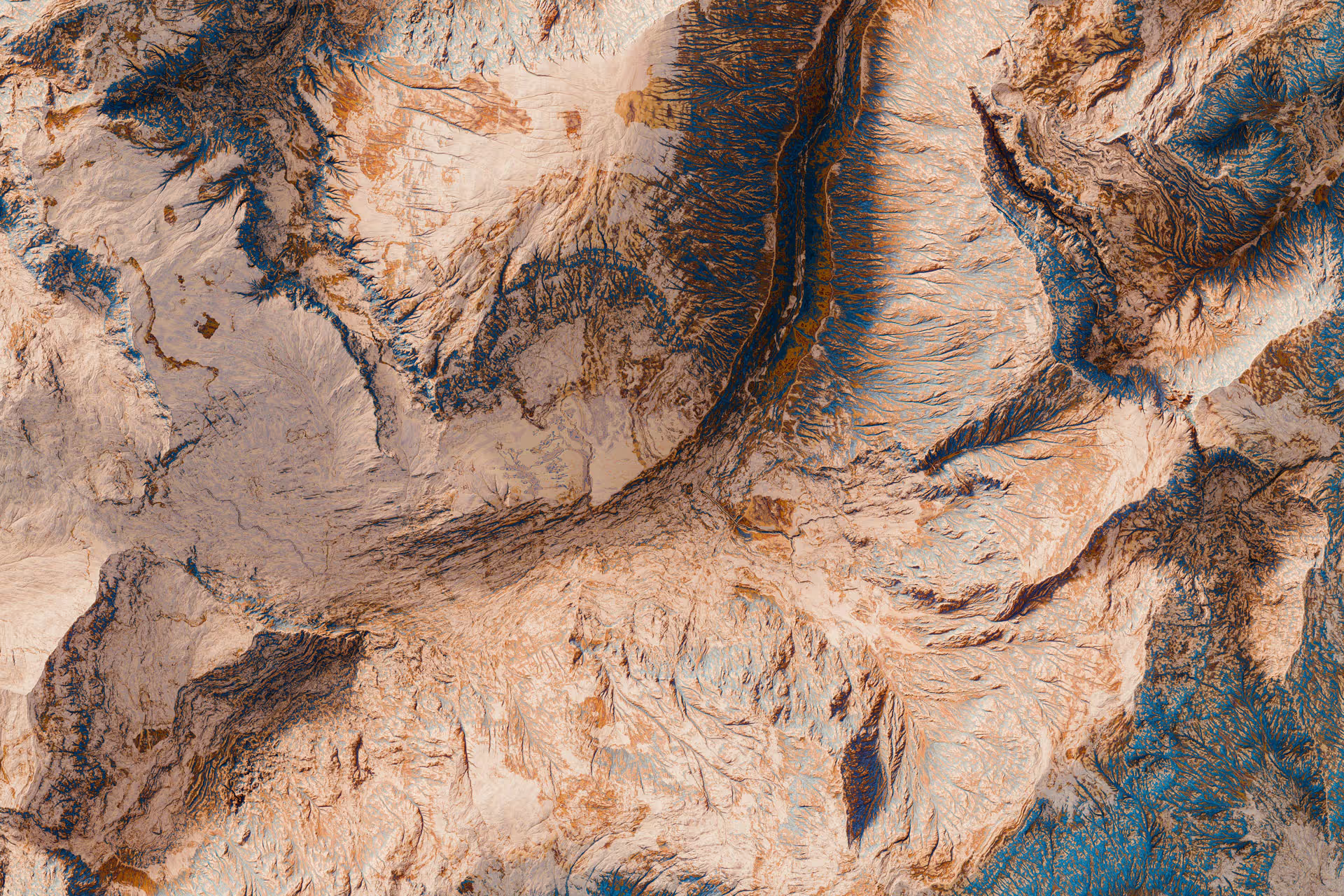
Aerial view of arid land with rugged terrain and deep canyons in earthy brown and beige tones.
We are losing at least 100 million hectares of healthy, productive land every year to land degradation
Arrow right iconArrow right icon
THE SOLUTION
Survival. Solved.
Our proprietary technology platform solves the propagation, genetics, and processing bottlenecks that hold back arid-crop value chains.
Field-tested under 2.5x lower rainfall conditions, our propagation solutions deliver consistent results even in the harshest planting environments.
Arrow right icon
Raen OS – Our advanced machine learning algorithms identify optimal restoration sites using biophysical, operational, and financial criteria for maximum project success.
Arrow right icon
Proven internal R&D processes bring rigorous agricultural science expertise from initial research to commercial planting, with continuous innovation.
From 1,000 to 100,000+ hectares, a complete propagation stack designed for projects ranging from small pilots to landscape-scale restoration across global semi-arid regions.
Arrow right icon
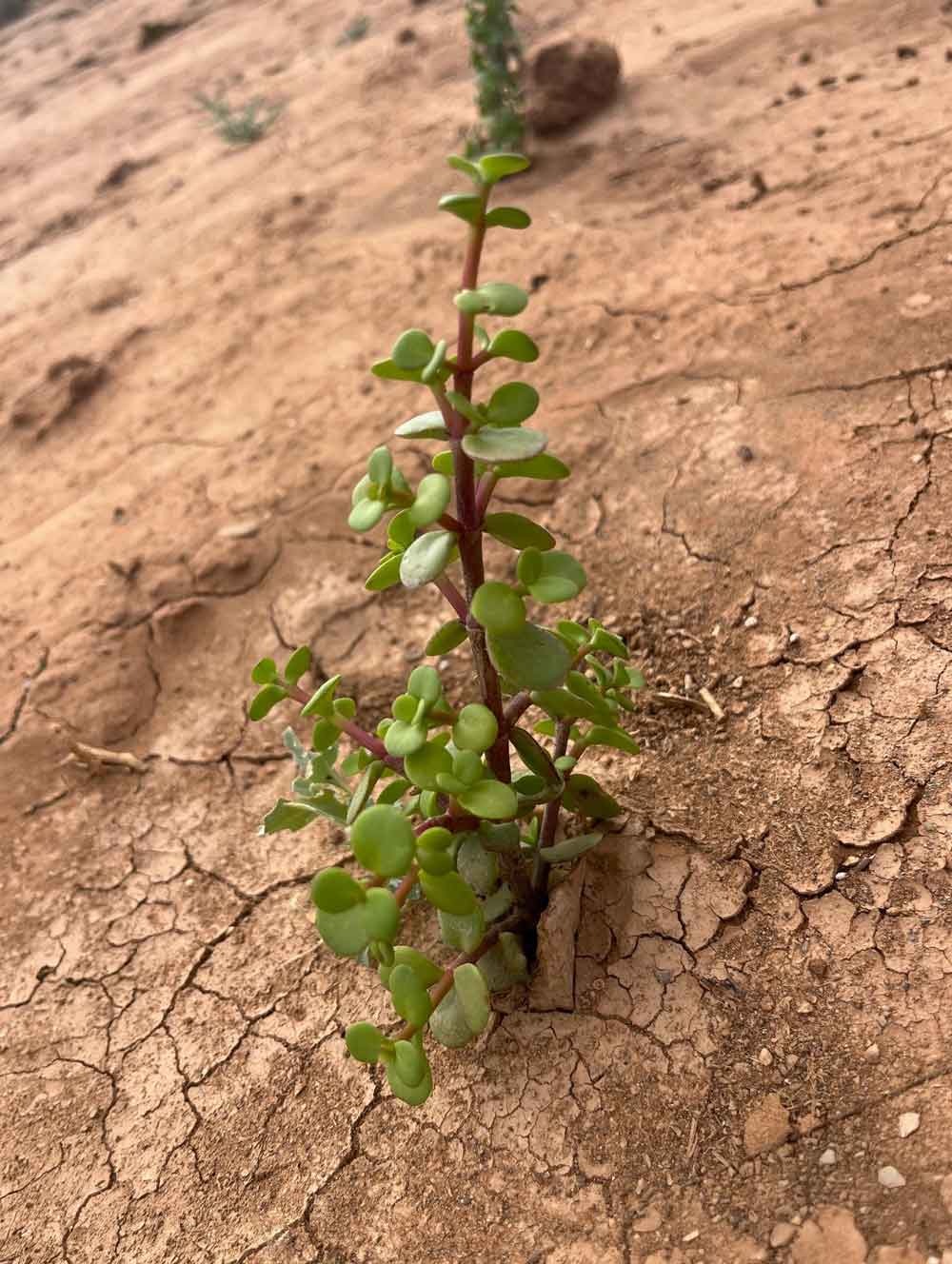
Small green succulent plant growing from dry cracked soil.
THE BACKGROUND
Advanced propagation.
Accelerated recovery.
Breakthrough propagation technology that enables every project developer, government, and corporation to transform environmental challenges into measurable success.
Founded to solve the fundamental challenge facing Spekboom restoration projects, where traditional  methods there are failing at scale.
Our mission is to transform the world's most challenging landscapes into its most valuable assets, demonstrating that environmental restoration and economic prosperity can coexist and thrive together.
Our unique scientific approach combined with deep expertise in semi-arid restoration sets us a apart from traditional propagation methods.
Arrow right icon
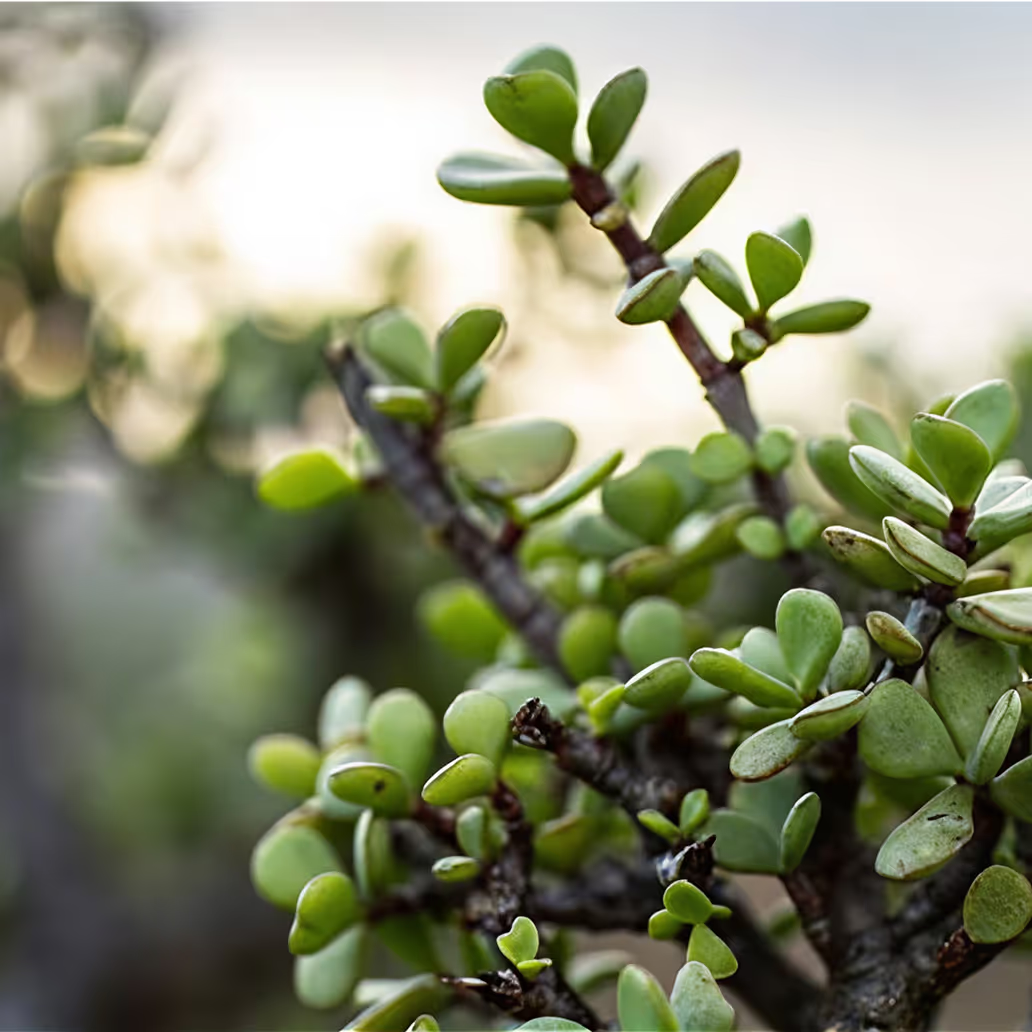
Close-up of a spekboom succulent plant with green oval leaves on brown stems.Close-up of two greenish transparent liquid droplets forming inside a larger circular droplet.
OPPORTUNITY
A global opportunity
Current South African projects
The team developed breakthrough advanced propagation techniques and accelerated recovery in keystone projects in South Africa, restoring degraded lands with Spekboom. We've moved beyond legacy methods that failed at scale and pioneered propagule systems to optimise the full plant life cycle. The company has continued to advance semiarid crop enhancements, applying its expertise to a wider range of species and regions.
USA expansion
Native plants offer a sustainable, resilient domestic option to source key ingredients and materials in the Americas, leveraging underutilised degraded lands. With minimal or no water inputs, premium materials can be grown at scale with unmatched traceability and quality control. Regional sourcing reduces supply chain vulnerabilities, offering reliable production and multiple supply chain co-benefits, as well as Scope 3 emissions reductions.
Sun rising over mountains with cracked dry earth and sparse shrubs in foreground.
z
z
z
z
i
i
z
z
Ready to transform your project?